Introduction
For decades, Chinese fireworks wholesale has been the backbone of the global fireworks industry. From small retail shops to large-scale distributors, sourcing fireworks from China remains the most cost-effective and reliable option. However, the process is not as simple as placing an order and waiting for delivery. Importers must consider product quality, international logistics, and compliance with safety regulations in their destination markets.
This fireworks wholesale guide walks you through the entire journey: how to find a trustworthy Chinese fireworks supplier, how to assess product quality, what to expect in pricing and logistics, and the critical legal requirements you must meet before selling fireworks in your country.

Why Source Fireworks from China?
China is the world’s largest fireworks exporter, accounting for over 80% of global supply according to Chinese customs data. The city of Liuyang in Hunan Province is often referred to as the “capital of fireworks,” producing a wide range of consumer and display fireworks. The advantages of sourcing from China include:
-
Competitive Pricing: Large-scale production and raw material sourcing keep costs lower than in most other countries.
-
Product Variety: From small sparklers to professional display shells, Chinese fireworks manufacturers offer a complete range.
-
Export Expertise: Most Chinese fireworks exporters are highly experienced in international trade, ensuring smoother transactions.
Finding a Reliable Chinese Fireworks Supplier
The first step in how to import fireworks from China is identifying a trustworthy supplier. Here’s how to evaluate one:
-
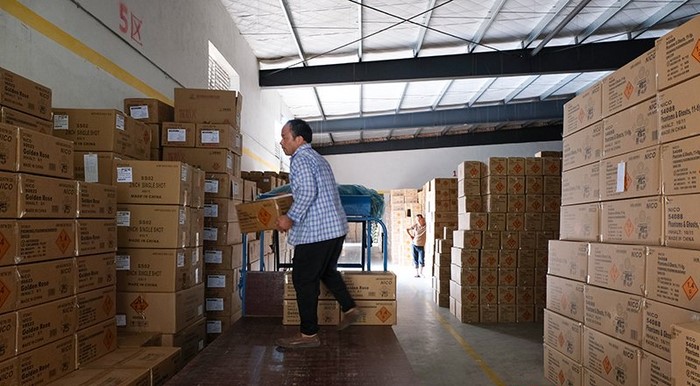
Company Credentials: Ensure the supplier holds a valid fireworks export license issued by the Chinese government.
-
Production Facilities: A site visit or third-party inspection can confirm manufacturing standards.
-
Quality Management: Look for ISO9001 or similar certifications, as well as compliance with CE or CPSC standards.
-
Customer References: Reliable suppliers are willing to share client references or past export records.
Tip: Partnering with established suppliers (such as PyroNexa and similar brands) reduces the risks associated with new or unverified exporters.
Understanding Fireworks Quality Standards
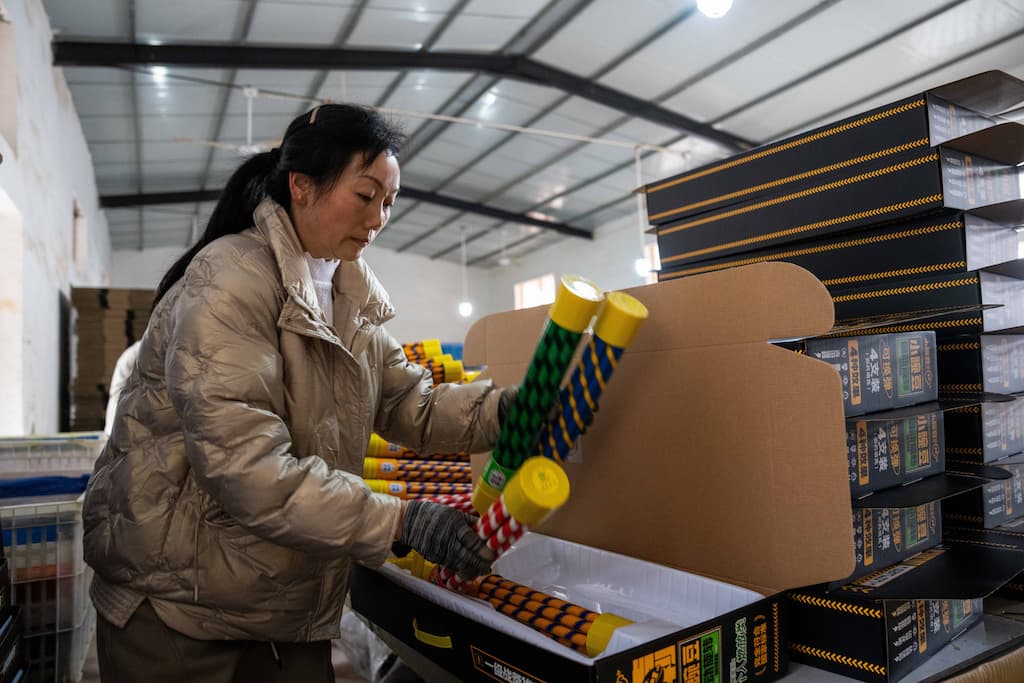
Quality is a key concern for importers. Substandard fireworks not only damage your brand but also risk customs rejection or accidents.
When evaluating fireworks:
-
Consistency: Each piece should perform uniformly without misfires.
-
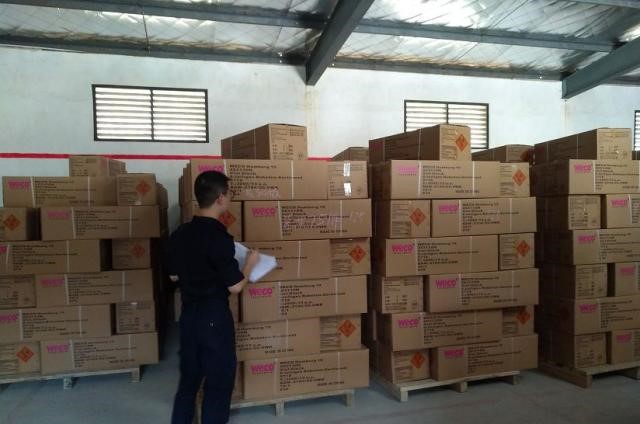
Packaging: Export packaging must comply with international dangerous goods shipping standards (UN 0336 for consumer fireworks).
-
Testing: Professional suppliers conduct pre-shipment tests to ensure performance.
-
Certification: Depending on your market, you may need products tested under CE (EU) or CPSC (US) guidelines.
Pricing and Trade Terms
Wholesale fireworks pricing is influenced by several factors:
-
Raw Material Costs: Chemicals like potassium nitrate and metals impact production costs.
-
Packaging and Design: Premium packaging raises costs but also improves retail appeal.
-
Order Volume: Larger orders typically enjoy better unit pricing.
-
Trade Terms:
-
FOB Liuyang – Buyer is responsible for shipping costs.
-
Logistics: Shipping Fireworks from China
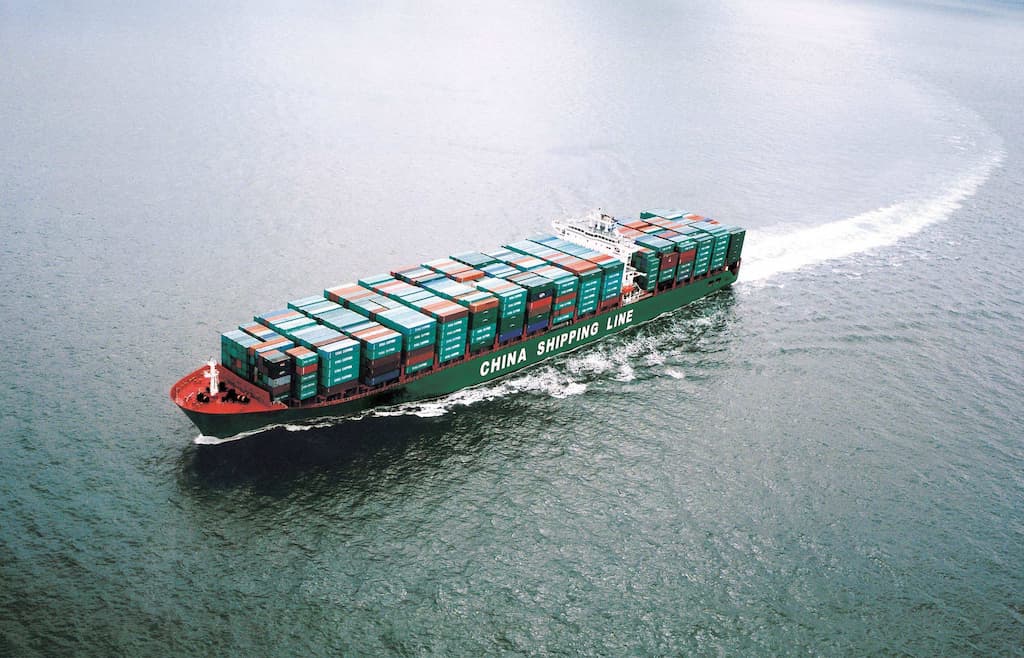
Shipping fireworks is more complex than ordinary goods because they are classified as Class 1 dangerous goods. Here’s what the logistics process looks like:
-
Container Loading: Fireworks are packed according to IMDG Code requirements.
-
Ocean Freight: Most fireworks are shipped by sea; air freight is rarely allowed due to explosive risks.
-
Documentation: Bill of Lading, Dangerous Goods Declaration, and Packing List are required.
-
Transit Time: From China to the US, typical sea freight takes 30–40 days; to Europe, around 25–35 days. (Additional time should be reserved for production and customs clearance.)
Customs Clearance and Legal Requirements
Importing fireworks requires strict compliance with destination-country laws. Some key points include:
-
United States: The CPSC (Consumer Product Safety Commission) regulates consumer fireworks. All imports must meet CPSC standards, and some categories are prohibited. Importers also need ATF (Bureau of Alcohol, Tobacco, Firearms and Explosives) licenses for certain fireworks.
-
European Union: Fireworks must carry the CE mark, proving compliance with EU safety directives. Products are categorized into F1–F4, with F1 (indoor use) being the least restricted and F4 (professional display fireworks) requiring special permissions.
-
Other Markets: Many countries adopt similar frameworks, often requiring certification and local permits. Always verify your target country’s rules before shipping.
Risk Management and Best Practices
To reduce risk when importing fireworks:
-
Work with experienced Chinese fireworks exporters who understand international compliance.
-
Use third-party inspection companies for pre-shipment quality checks.
-
Ensure clear contracts covering product specifications, delivery timelines, and penalties for non-compliance.
-
Purchase insurance that covers loss or damage during transit.
Conclusion
Entering the Chinese fireworks wholesale market can be highly profitable, but only if approached with the right knowledge. By carefully selecting a reliable Chinses fireworks supplier, ensuring compliance with quality and legal standards, and mastering the logistics process, importers can build a sustainable and safe business.
If you are considering wholesale fireworks sourcing, start by evaluating suppliers, clarifying trade terms, and understanding your market’s certification requirements. With proper preparation, importing fireworks from China can open the door to a thriving business opportunity.